

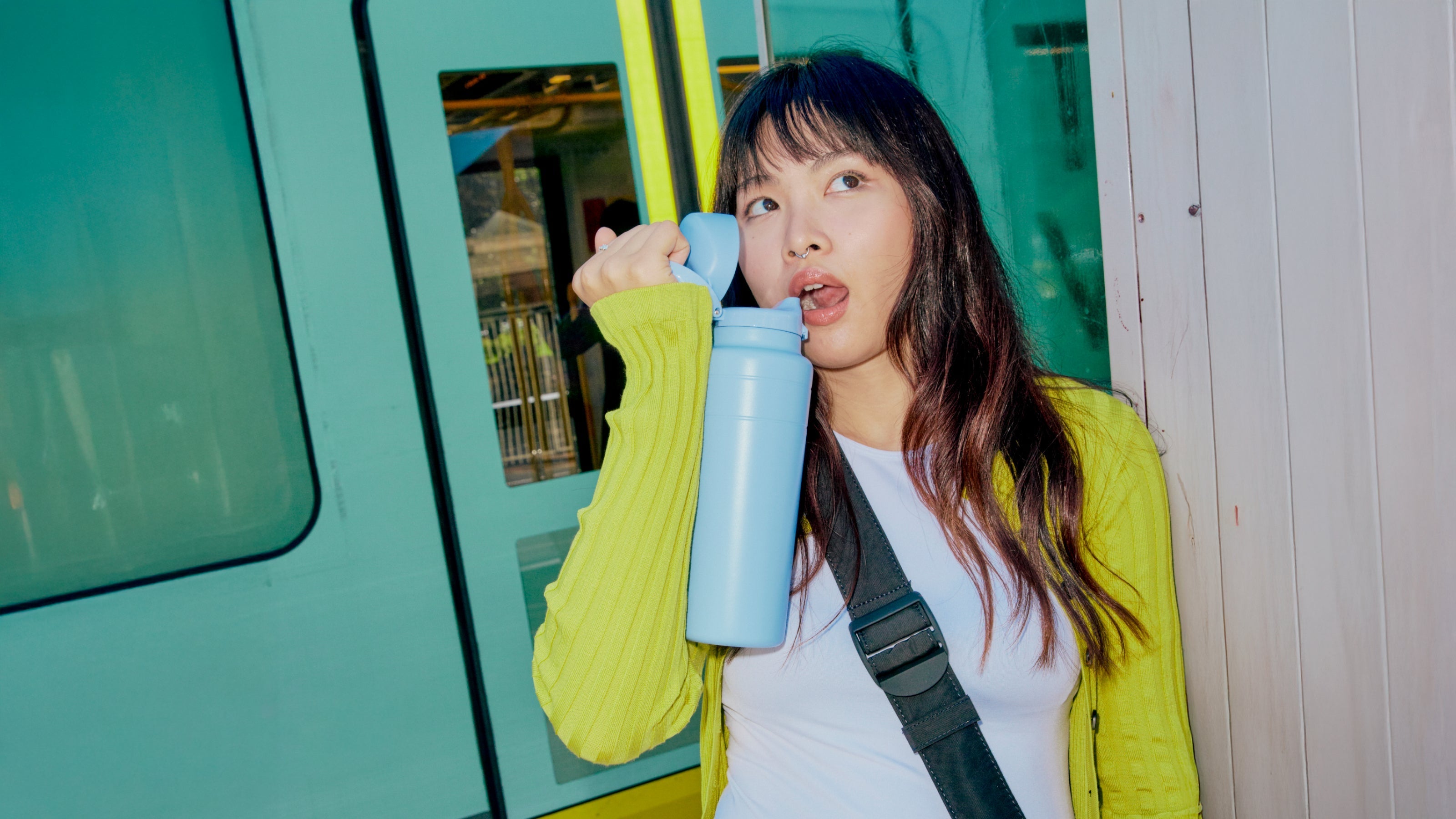
The UK climate is shifting. Heatwaves are becoming more frequent, summers hotter, and indoor environments more reliant on air-conditioning. Hydration advice in the UK has long been borrowed from US or European sources that assume different climates and different lifestyles. The standard "eight glasses of water a day" rule has been repeated for decades. It's not wrong, but it's not right either.
This is what the current evidence actually says about hydration in plain language, what changes for people in the UK specifically, and how to make hydration habits stick.
The Honest Answer
Adult hydration needs vary by body size, activity, climate and individual physiology. The general guidance from major nutrition bodies, including the NHS and the European Food Safety Authority, points to drinking enough fluid across the day to keep urine pale yellow, with thirst and energy as supporting signals.
"Total water" matters more than "water from a glass." Water from food (fruit, vegetables, soup, yoghurt) contributes meaningfully to daily intake in a normal diet. The remainder comes from beverages.
For people in the UK, hydration needs sit toward the middle of international benchmarks for most of the year, but climb during summer heatwaves and prolonged warm spells. Active adults in summer typically need more water than they would in cooler months.
Why "Eight Glasses" Isn't the Rule
The "eight glasses a day" guidance dates to the 1940s, when US nutrition bodies recommended a daily fluid target, with a footnote noting most of this was contained in food. The footnote was lost in subsequent quotation. The simplified "eight glasses" version became cultural shorthand.
The guidance isn't harmful. Following it produces roughly the right outcome for sedentary adults in temperate climates. It just isn't precisely right for active people during a UK heatwave, who need more, or for sedentary office workers in cool air-conditioning, who may need slightly less.
The Signals That Actually Matter
Three indicators are more reliable than a daily quota:
1. Urine Colour
Pale yellow (the colour of straw) indicates adequate hydration. Darker yellow indicates underhydration. Clear indicates over-hydration. The first urine of the morning is naturally darker; later in the day is the better gauge.
2. Thirst
Thirst is a more reliable cue than most people give it credit for. The conventional wisdom that "if you're thirsty you're already dehydrated" is overstated for most adults in most conditions.
Drinking when thirsty, in normal conditions, produces adequate hydration for most adults. The exceptions: heavy exertion, hot weather, illness, pregnancy, and older adults (whose thirst sensitivity declines with age).
3. Energy and Concentration
Mild dehydration affects cognitive performance and energy. If you're feeling sluggish, foggy, or have a mild headache for no other reason, try drinking water before reaching for caffeine. The improvement is often noticeable.
What UK Adults Specifically Need to Know
Four UK-specific adjustments:
1. Heatwave Adjustment
UK heatwaves now hit harder and last longer than they used to. The adjustment isn't optional, dehydration during prolonged hot spells is a meaningful health risk for older adults and a meaningful performance issue for everyone else.
2. Office Heating and Air-Conditioning
UK offices swing between heated winters and air-conditioned summers, both of which have low humidity and increase water loss through respiration. The water-on-the-desk reflex matters more for indoor workers than for outdoor workers in similar climates.
3. Sport and Exercise
From parkrun to weekend football, UK adults are active. Heavy exercise in warm conditions can require additional water beyond resting baseline. Electrolytes matter once exercise exceeds around an hour, sodium and potassium losses become significant.
4. Tea and Coffee Culture
The UK runs on tea and coffee. Recent evidence confirms moderate caffeine consumption does not cause net dehydration despite the diuretic effect. The water content of the brew more than offsets the diuretic effect at typical consumption levels. The older belief that tea or coffee "doesn't count" toward hydration is incorrect.
What Counts Toward Hydration
All of the following contribute to total water intake:
- Plain water (most efficient absorption).
- Tea (counts, even caffeinated).
- Coffee (counts).
- Milk (counts, also contributes calcium and protein).
- Fruit juice (counts but contributes sugar).
- Soft drinks (count but contribute sugar and acidity).
- Sports drinks (count and contribute electrolytes during exercise).
- Soup, fresh fruit, vegetables, yoghurt (count significantly).
Alcohol is the exception. Alcohol increases urine production beyond the water content of the drink, producing net water loss at typical consumption. Drinking water alongside alcohol partially offsets this.
The Best Source for Each Use
If you're optimising, four useful default beverages:
- Cold water at desks and workspaces. Insulated bottle keeps cold for hours. Easiest to drink consistently when cold and accessible.
- Coffee or tea at breaks. Hydration plus social rhythm; minimal sugar.
- Sparkling water with meals. Improves satiety, aids digestion, no sugar.
- Electrolyte drinks during sustained exercise. Better than plain water for longer sessions.
What Bottle Size and Style Matters
The single biggest predictor of consistent hydration is whether a water source is permanently accessible. Most adults under-hydrate because the water isn't there, not because they don't want to drink it.
Three rules that solve the access problem:
- One bottle at the desk. Insulated, refilled across the day. The KeepCup Ora Bottle is built for this use case.
- One bottle in the bag. Smaller capacity for commute, errands and short trips. Stays cold for hours.
- One bottle for sport. Larger capacity for gym, hiking, sport.
Three bottles in rotation. Always cold. Always accessible. The hydration habit becomes automatic. KeepCup products are tested to 1,000 uses, the bottle you'll use daily for years should be built to last.
Common Hydration Myths
- "You need eight glasses a day." Approximately right but oversimplified. Total water from all sources matters; activity, climate and individual size matter more.
- "Coffee dehydrates you." No. Coffee contributes net water at typical consumption.
- "If you're thirsty you're dehydrated." Overstated. Thirst appears well before performance-affecting dehydration.
- "Clear urine is the goal." No, pale yellow (straw colour) is the target. Clear urine can indicate over-hydration.
- "You can drink too much water." True in rare cases (hyponatremia in endurance athletes drinking heavily without electrolytes), but uncommon outside specific exercise contexts.
FAQs
How much water should a UK adult drink daily?
Enough fluid to keep urine pale yellow across the day, with thirst and energy as supporting signals. Active adults during a UK heatwave typically need more than they would in cooler months. There's no single number that suits every person and every day.
Does coffee count toward hydration?
Yes. Moderate coffee consumption contributes net water at typical levels. The diuretic effect is more than offset by the water content of the beverage.
What's the best indicator of hydration?
Pale yellow urine (straw colour) throughout the day is the most reliable indicator. Energy, concentration and absence of thirst are useful secondary signals.
What size water bottle should I use?
For most adults: an insulated bottle for the desk (refilled), plus a larger bottle for exercise. The KeepCup Ora Bottle range covers both use cases.
The Best Water Bottle for Every Life: How to Choose the Right One
Your Water Bottle Is One of the Most Powerful Environmental Choices You Can Make